
Mouse Control in Greensboro, NC
A mouse born inside your wall in early October can be breeding by Thanksgiving. House mice reach maturity at six to ten weeks old, which is why one sighting in the pantry is rarely the whole story, and why the mouse control Greensboro households need in fall is about speed and sealing, not a single trap behind the fridge.
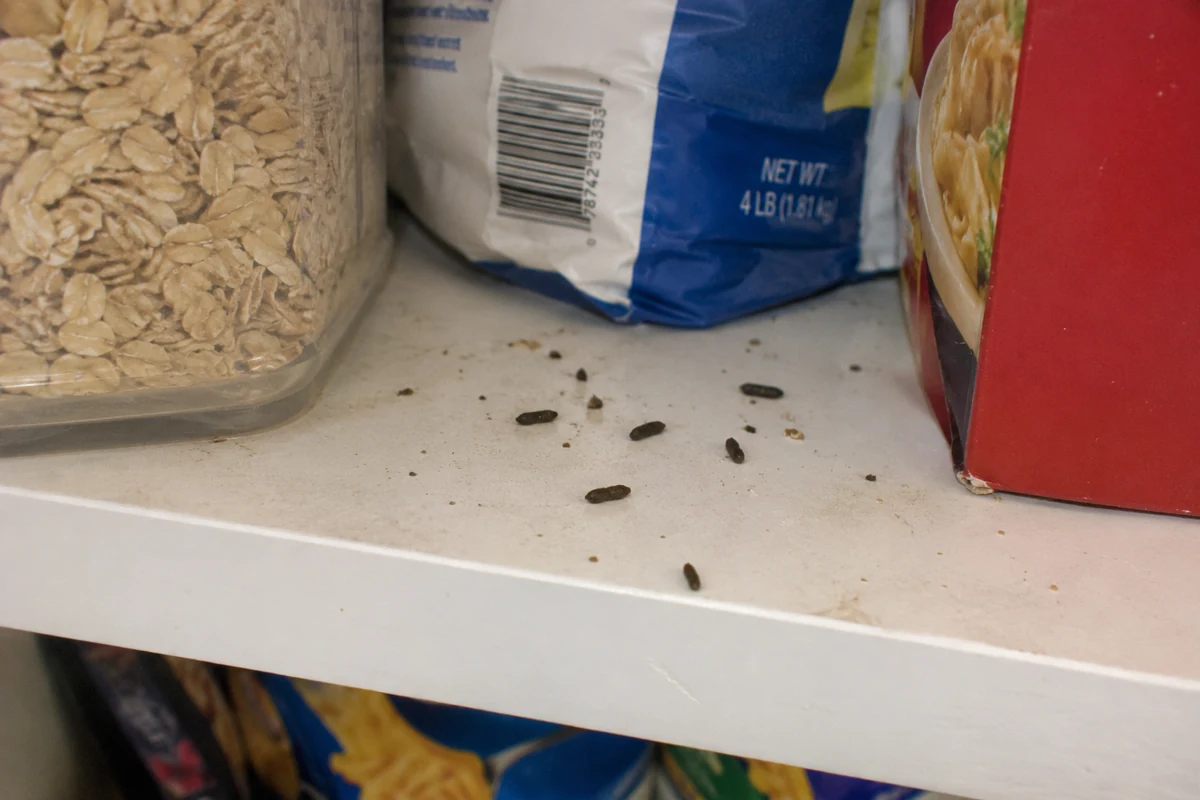
One Mouse in October, a Houseful by Spring
NC State Extension calls the house mouse the primary rodent pest in most situations, and the reason is arithmetic. A female can have five to ten litters a year, with up to six young in each, and those young start breeding within a couple of months. A pair that slips in under a garage door in October has produced several generations by the time the dogwoods bloom.
Most of that growth happens out of sight. Mice nest inside walls, under kitchen cabinets, behind dishwashers and in boxes of stored clothes, and they come out mostly at night. By the time you see one in daylight, it usually means the nest is crowded.
That is also why waiting rarely saves money. Every week adds droppings to clean, wiring and insulation to check, and more young mice that know the way in.
House Mice, Deer Mice and Field Mice in Greensboro Homes
Three kinds of mice turn up in local houses, and telling them apart changes the advice.
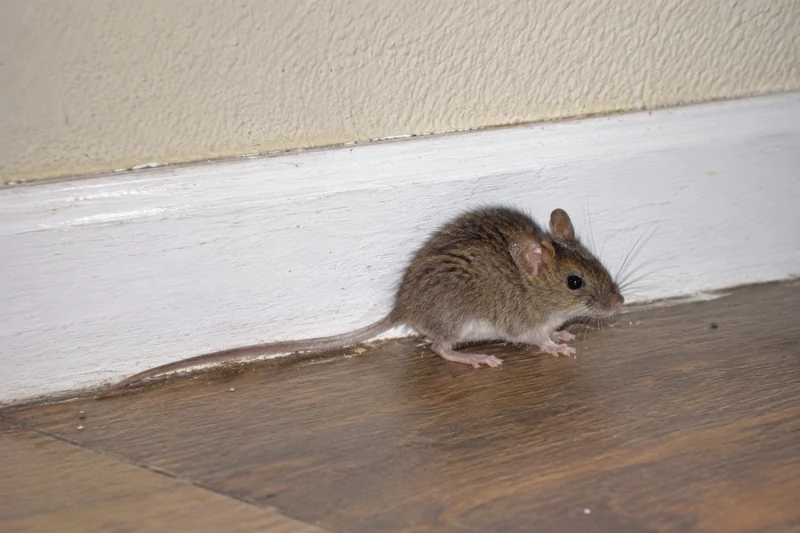
House mouse
Small, gray-brown and uniformly colored, with a tail about as long as its body. This is the mouse that lives with people year-round and does most of the damage in kitchens and pantries.
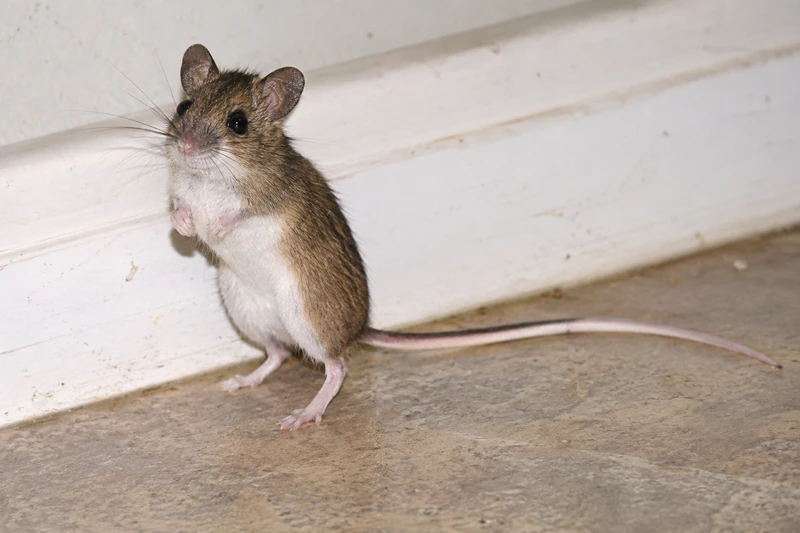
Deer mouse and white-footed mouse
Brown on top with a crisp white belly and white feet, plus a tail that is dark above and pale below. These come in from fields and woods as fall turns cold, so homes on the edge of open land see them most. They can carry hantavirus, so cleanup needs extra care.
“Field mouse” is what most people call any mouse they suspect came from outside. In practice that is usually one of the deer mice above, or a house mouse that spent the summer in tall grass.
Trapping Mice: the First Step, Not the Fix
Trapping is the most-searched part of this topic, and mice make it look easy. Unlike rats, they are curious and will usually investigate a new trap the first night. So people catch two or three, the noises stop for a week, and then everything starts again.
Here is what changes the result:
- Distance. A house mouse rarely strays more than 10 to 25 feet from its nest. Traps belong within that circle, along walls and behind appliances, not in the open middle of the floor.
- Numbers. One trap per mouse sighting is not enough. Several traps a few feet apart along the same wall work better than one in each room.
- Placement. Mice run with their whiskers against a wall, so the trigger end of a snap trap goes against the baseboard.
- The gap. Every mouse you catch is replaced by the next one from outside until the entry point is closed. That is the part trapping alone never fixes.
A provider will also look for the signs of an established colony: urine pillars, which are small greasy mounds of dirt and urine, nest material shredded from paper or insulation, and gnaw holes about the size of a dime.
Mice Behind the Walls and Under the Floors
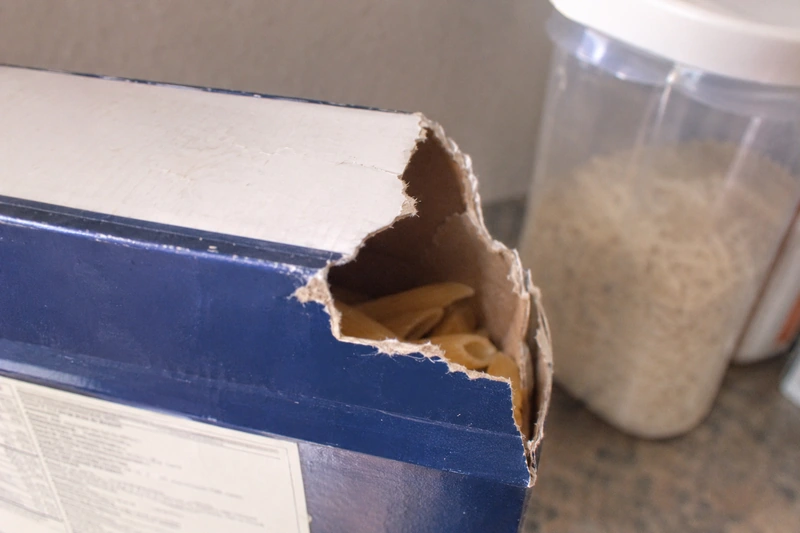
Scratching inside a wall at night, usually low and near the kitchen or bathroom, is a mouse moving along plumbing or wiring. Droppings in a line under the sink or along the back of a drawer show you its route. Mice also travel through floorboard gaps and the spaces around heating ducts, so a sound in one room can come from a nest two rooms away.
Openings to look for inside the house:
- Gaps where pipes enter under sinks and behind washers.
- The space behind the stove, dishwasher and refrigerator.
- Holes around dryer vents and cable lines.
- Cracks where cabinets meet the floor.
Mice in Apartments and Shared Walls
In an apartment, the mouse in your kitchen may be nesting next door. Shared walls, utility chases and common hallways connect every unit, which is why treating one apartment almost never holds. If you rent, tell your landlord in writing; the post on mice in a Greensboro rental walks through the steps. If you own or manage the building, the page on mice moving between apartments explains building-wide treatment and what Greensboro’s housing code expects.
Keeping Mice Out Once They’re Gone
A mouse can squeeze through a hole about the width of a pencil, so sealing has to be thorough and use materials mice can’t chew, such as metal mesh, sheet metal and well-fitted door sweeps. The page on mouse exclusion goes through every common gap from the roof to the garage. If the mice seem to show up every fall like clockwork, the post on why mice show up each October explains the timing.
Mouse Control Greensboro Questions
Why do mice come back after extermination?
Because the entry points were left open. Removing the mice inside without sealing the gaps simply makes room for the next group, and mice already follow the scent trails the first group left behind.
Can you get rid of mice for good?
You can get the house clear and keep it that way, as long as the openings stay sealed and food stays in closed containers. Older houses settle, though, so a yearly check of door sweeps and vents is worth doing.
How long do mouse traps take to work?
Usually a night or two, because mice don’t share the rat’s suspicion of new objects. If a well-placed trap catches nothing in three or four nights, the traps are in the wrong spots or the activity has moved.
Do mice leave on their own?
Not while they have warmth, food and a nest. In spring some move outdoors, but the colony inside usually stays and keeps breeding.
Are deer mice dangerous to clean up after?
They can carry hantavirus, which is very rare in North Carolina. Don’t sweep or vacuum droppings; wet them with disinfectant first and wear gloves.
Sources: NC State Extension on house mice and other rodents; CDC: how to clean up after rodents.