
Rodent Control in Greensboro, NC
Greensboro has lost about eleven freezing nights a year since the 1970s, and its winters now run roughly 4°F warmer than they did back then. More rats and mice live long enough to meet the first hard cold snap, and then every one of them wants the same thing: a way into a warm wall.
This site explains what is going on in your attic, crawl space or kitchen in plain language, then connects you by phone with an independent provider who handles the rodent control Greensboro homes and businesses actually need: find the way in, remove the animals, close the gaps.
Your call is routed to an independent local provider; we are a referral service, not the company doing the work.
Rats and Mice in Greensboro Homes and Businesses
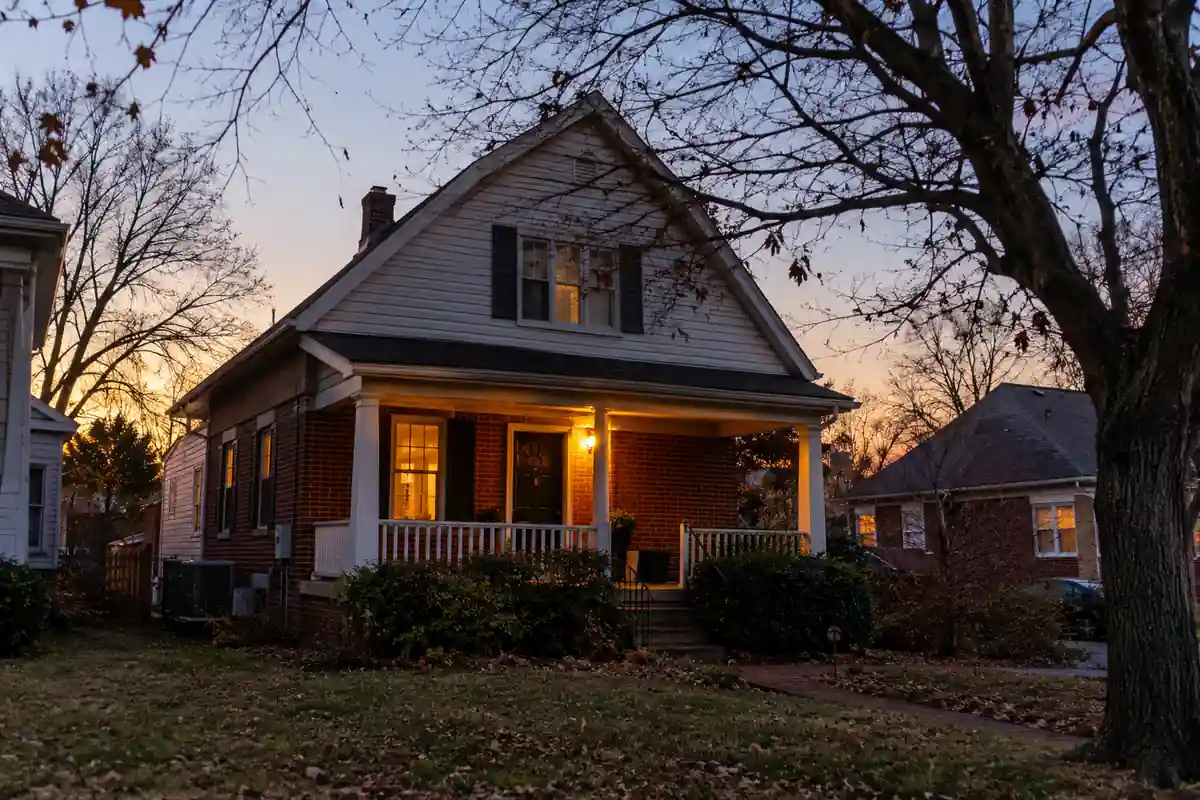
Greensboro is a big place to keep sealed. The city has 307,372 residents and 139,194 housing units, according to the Census Bureau’s 2024 American Community Survey, and every one of those buildings has a roofline, a foundation and a handful of pipes and wires passing through its walls. Rodents only need one of those gaps to be a little too wide.
Most calls come between October and February. That is when outdoor food gets scarce and cold nights push rodents toward heat, so the first complaints tend to show up right around the time people pull the heavy blankets out.
What people notice first is rarely the animal itself. It is a scratching sound above the bedroom ceiling around ten at night, a scatter of droppings behind the toaster, a gnawed corner on a bag of dog food in the garage, or a smell in the hallway that was not there last week.
None of those go away on their own. Rodents that find warmth and food stay, raise young, and leave scent trails that the next ones follow in. The longer it runs, the more wiring, insulation and stored goods get damaged, and the more cleanup there is at the end.
Why Rodents Do So Well in the Gate City
Greensboro earned the nickname the Gate City as a railroad junction, a place where routes met. Rodents treat it the same way. Five local conditions keep bringing them in, and each one has its own page here.
Shorter, Softer Winters
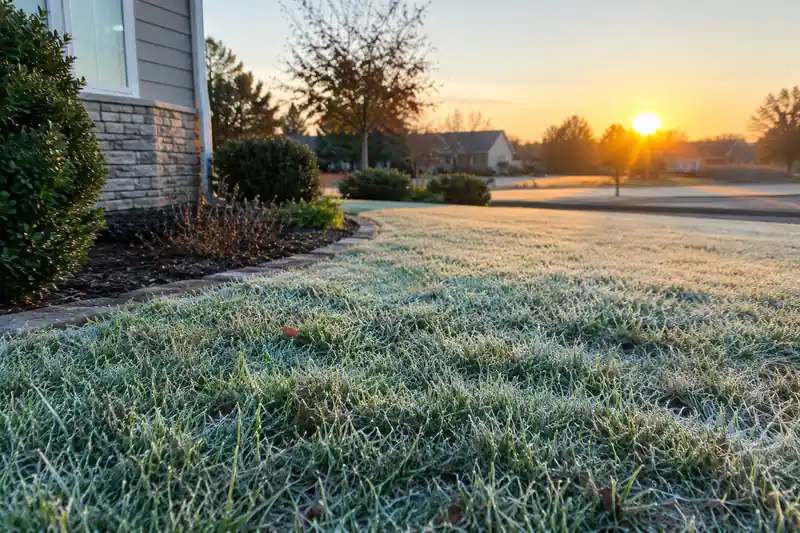
Fewer freezing nights means fewer rats and mice die off over winter. The survivors are already living close to houses when a real cold front finally arrives, which is why a single frosty week in December can set off a wave of calls.
Older Houses With Old Gaps
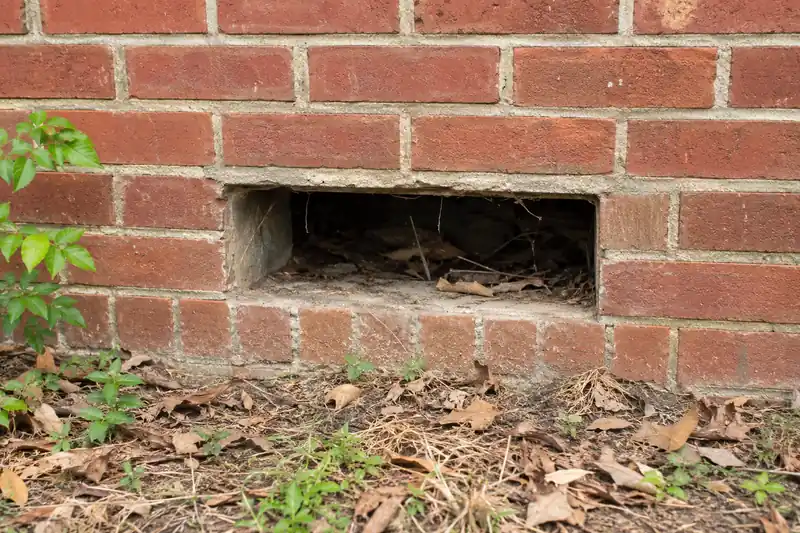
A large share of the city’s homes were built before 1980, with foundation vents, sill plates and garage doors that have shifted for decades. The roof-to-foundation sealing guide walks through where those gaps show up.
Creeks Running Through Neighborhoods
North and South Buffalo Creek and their tributaries cut through older parts of town, giving Norway rats water, cover and soft banks to burrow in, often a short run from back fences. The post on rats in creek-side yards follows that corridor.
A Tree Canopy Over the Rooftops
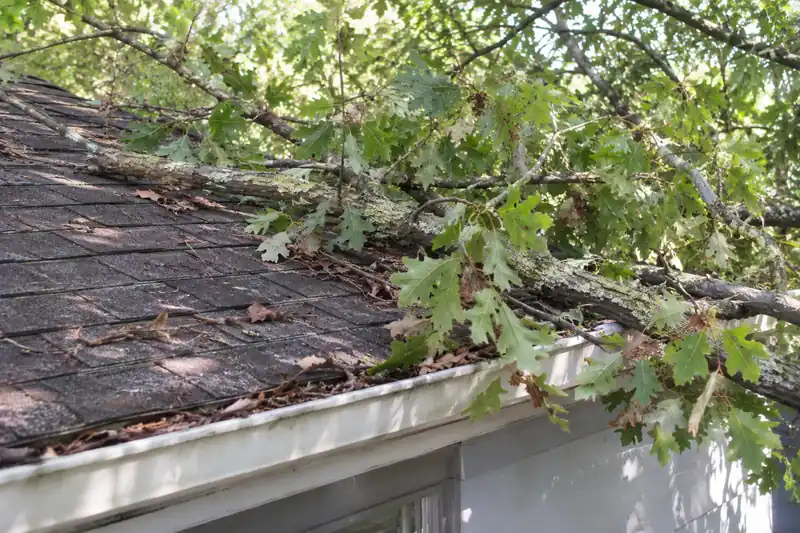
Mature oaks and maples shade streets in neighborhoods such as Irving Park and Fisher Park. Branches resting on a roof give climbing rats a bridge to soffits and gable vents, which is how many noises in the attic begin.
The Space Under the Floor
Crawl spaces are common under Greensboro homes. Dark, quiet and usually crossed by ductwork, they suit Norway rats and mice well. If something is happening under the house, start with rodents under the house.
What You’re Hearing, Seeing or Smelling
Start with the symptom. The table matches what you have noticed to the most likely cause and to the page that covers it in depth.
| What you notice | Most likely cause | Read more |
|---|---|---|
| Running or scratching overhead after dark | Rats or mice in the attic or ceiling | Attic rodent removal |
| Rice-sized droppings in drawers or the pantry | House mice nesting nearby | Mouse control |
| Holes along the foundation, under a deck or shed | Norway rat burrows | Rat removal |
| A rotten smell from one wall, flies at a vent | A rodent that died inside the wall | Dead rodent removal |
| Musty air from floor vents, torn plastic under the house | Rodents living in the crawl space | Crawl space rodent control |
| Daylight under the garage door, chewed weatherstripping | Open entry points | Rodent exclusion |
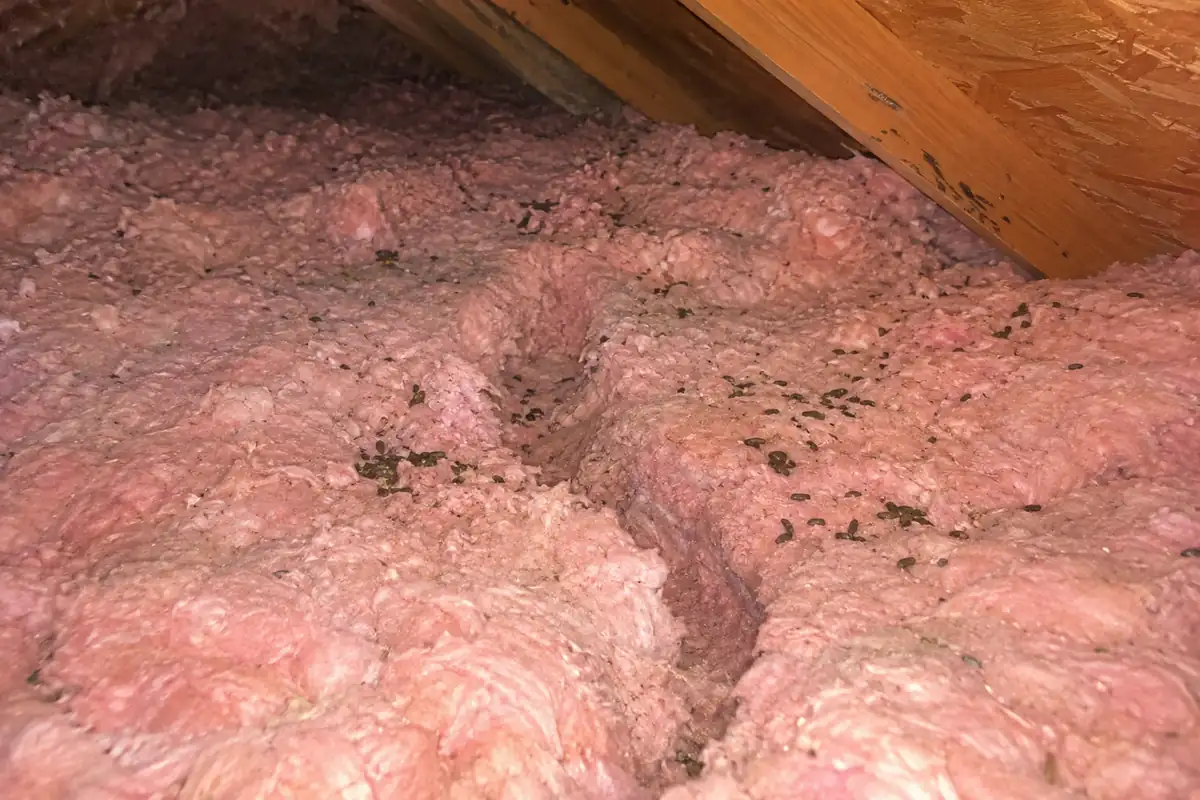
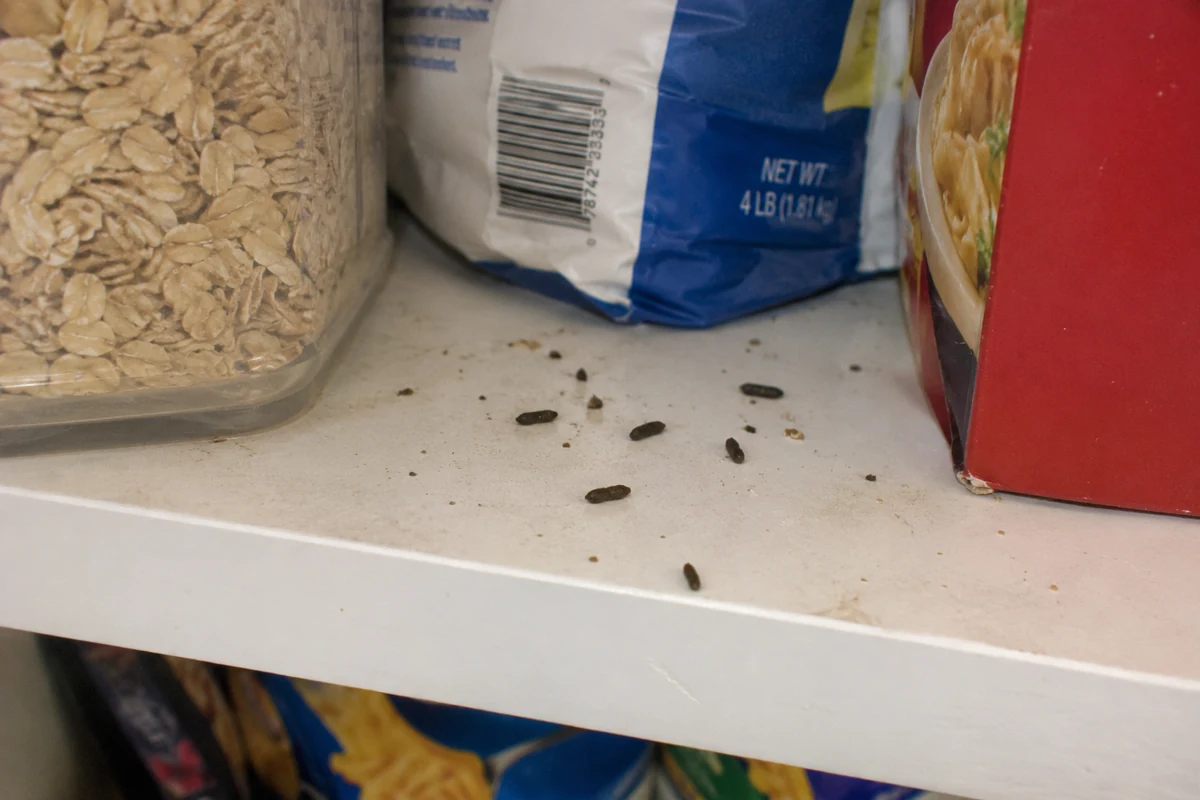
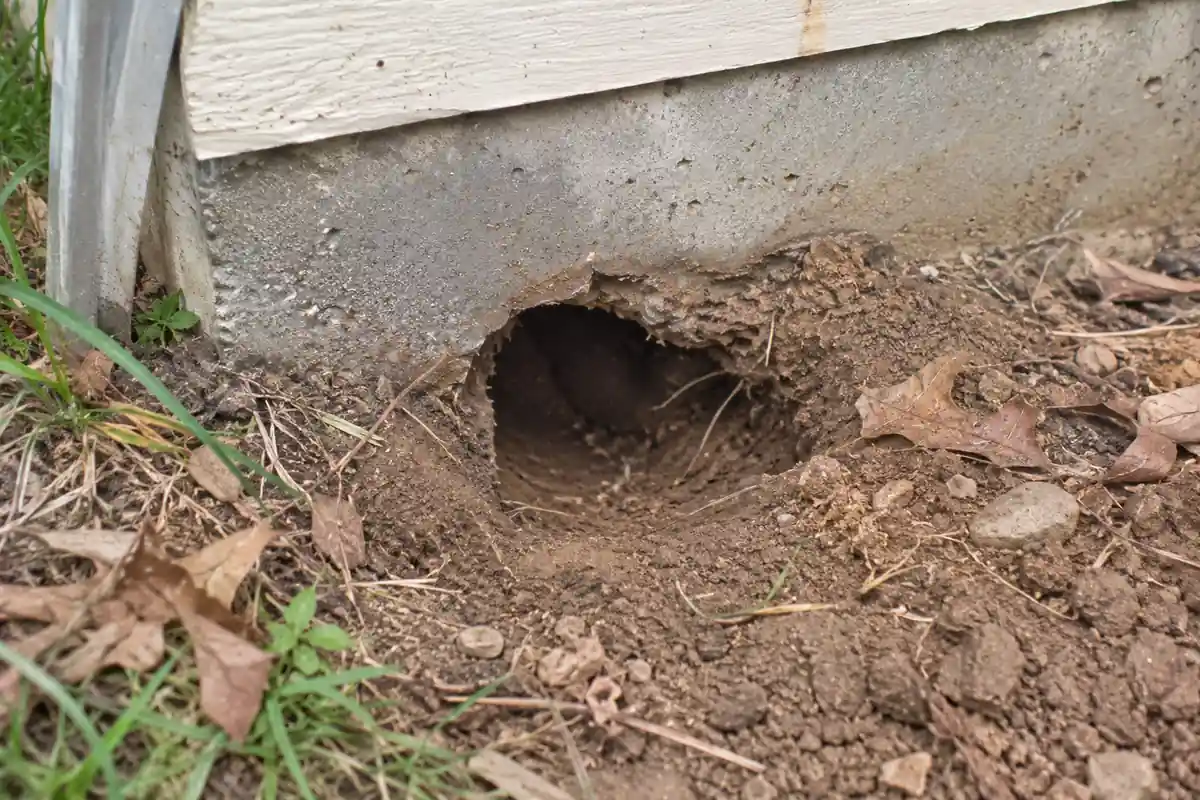
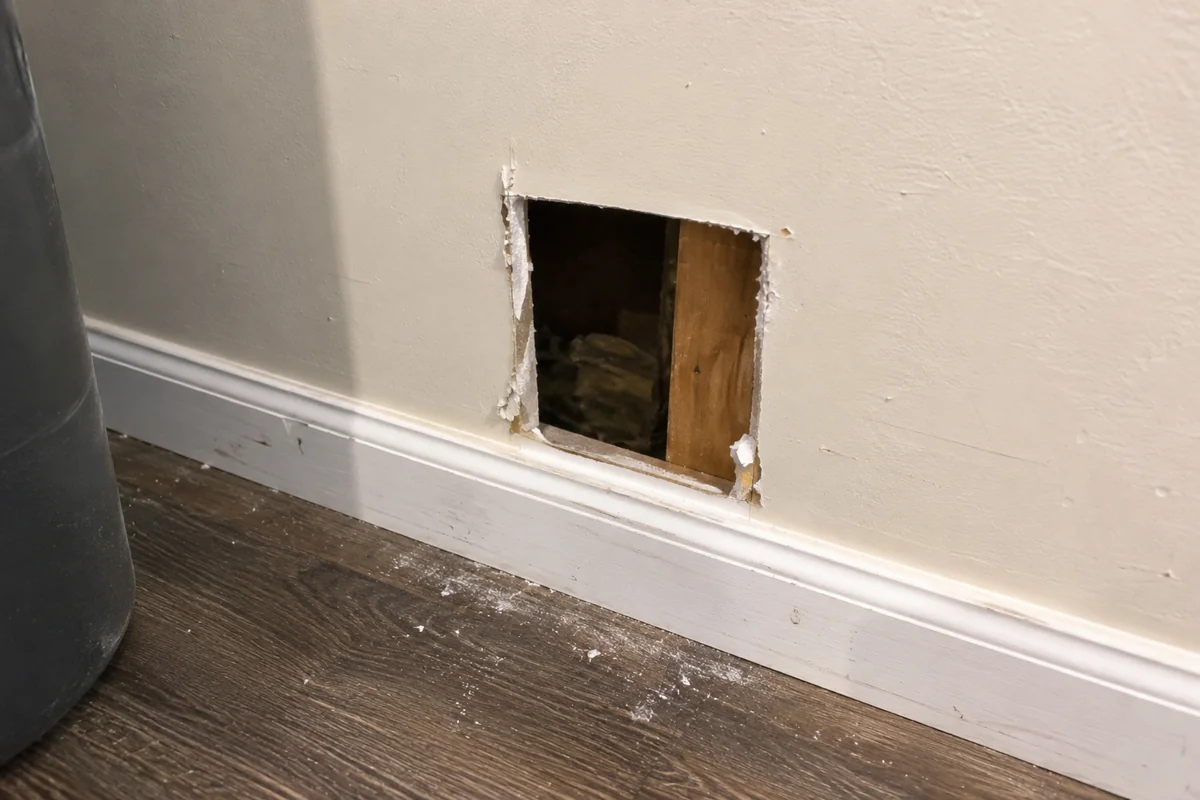
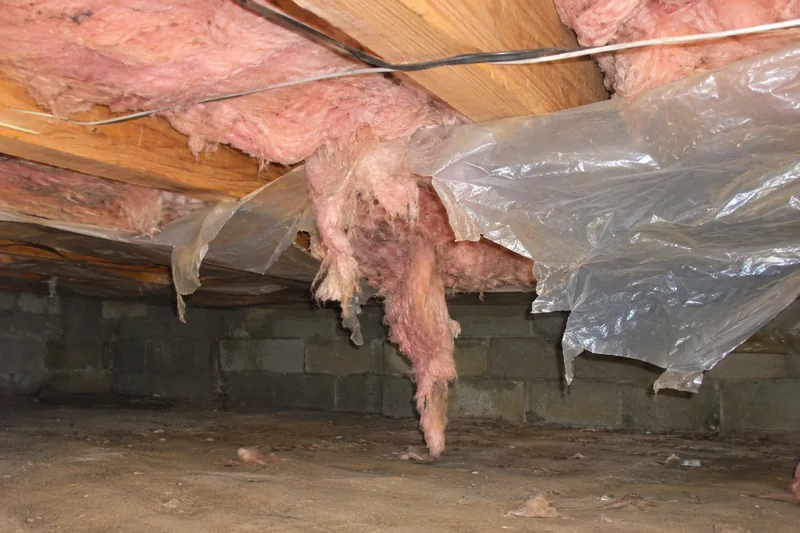
A few signs point to more activity than you might guess. Dark, greasy smudges along a baseboard or beam mean rats have used the same route for a while. Fresh droppings that are soft and dark mean the animals are still active; dry, gray ones may be old. And if the family dog keeps staring at one stretch of wall, take it seriously.
What Happens When You Call

Brynvoss Rodent Control Greensboro does not send anyone to your house. It is a referral and information service, and the work is done by independent local providers. Here is how a call goes:
- You call and describe what you have noticed.
- The call is connected to an independent rodent control provider who serves your ZIP code.
- The provider inspects the property: roofline, attic, crawl space, foundation, garage and the rooms where you have seen signs.
- You get a plan for removal and sealing. Traps go where the animals travel, entry points are closed once activity stops, and any bait is kept outdoors in locked, tamper-resistant stations.
- Follow-up visits confirm the activity has stopped and that nothing has reopened.
You pay this site nothing. The provider pays a referral fee for the call. Pricing, scheduling and follow-up terms come from the provider, so ask about them on the call.
Rodent Control Services in Greensboro
Each service below has its own page with the details, the warning signs and the questions people ask most. Together they cover nearly every rodent control Greensboro call, from a single mouse in a kitchen drawer to a warehouse with gnawed pallets.
Rat removal
Norway rats under the house and roof rats along the roofline, trapped where they actually travel and shut out afterward.
Mouse control
Droppings in the pantry, scratching behind the stove, chewed cereal boxes. House mice and deer mice, inside walls and floors.
Rodent exclusion
Metal mesh, flashing and sweeps over the gaps at vents, pipes, soffits and garage doors, so the next group can’t follow.
Attic rodent removal
Footsteps overhead after dark, flattened insulation, droppings near the hatch. Removal, then sealing the roofline.
Crawl space rodent control
Torn vapor barrier, insulation hanging from the joists, a musty smell through the floor vents.
Dead rodent removal
A sharp smell from one wall or ceiling, flies at a vent. Located, removed and cleaned with as little wall opened as possible.
Landlords and rentals
Apartments, duplexes and rental houses, where one unit’s mice are usually the whole building’s mice.
Businesses
Restaurants, warehouses, schools and offices that need written records as much as they need traps.
Homes, Rentals and Businesses
Homeowners
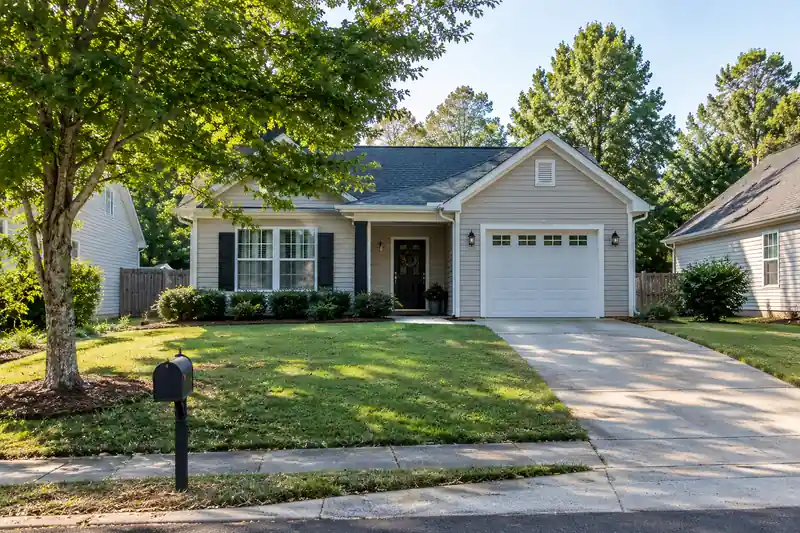
For most houses the job is the same three steps in a different order of difficulty: confirm which rodent it is, remove the ones inside, and close the openings that let them in. Older homes usually have more openings; newer homes near woods and fields usually have more pressure from outside.
Landlords and Property Managers
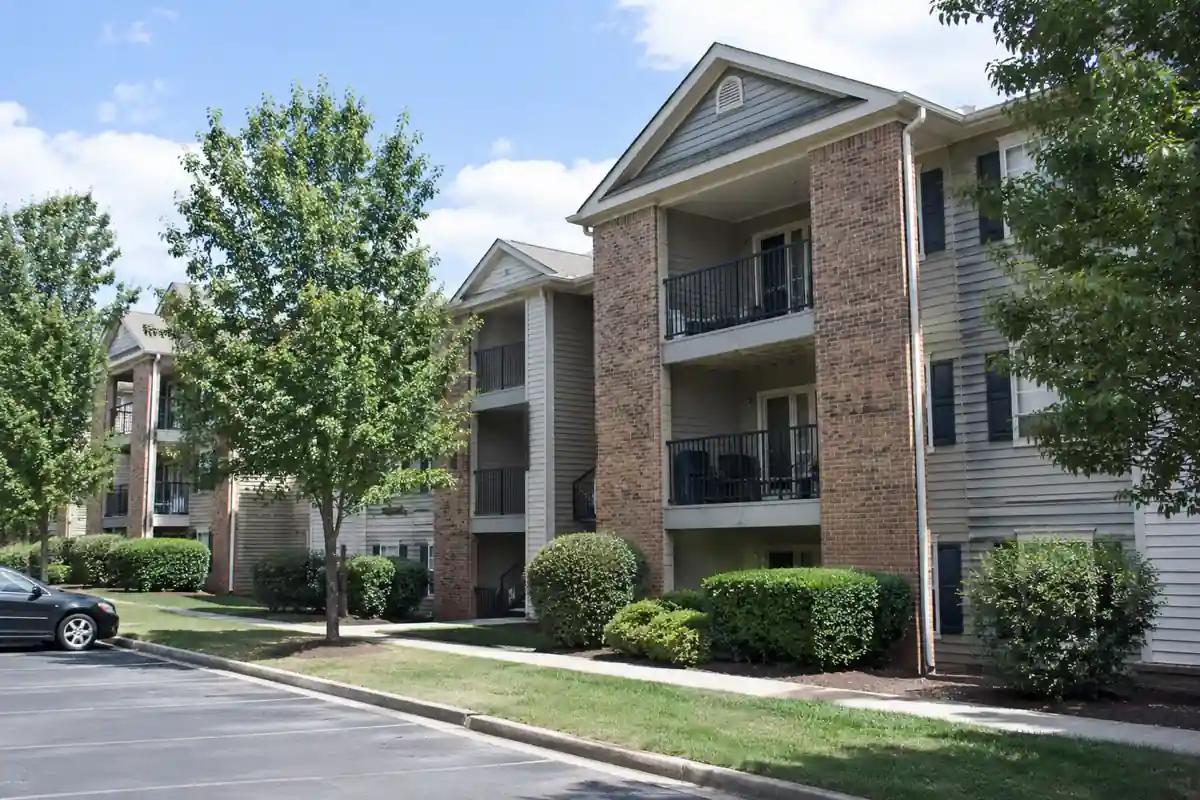
About half of Greensboro’s occupied homes are rented, and the city’s housing code spells out who handles rodents in which kind of building. The rodent control for rentals page covers the code, turnover season and building-wide treatment.
Restaurants, Warehouses and Other Businesses
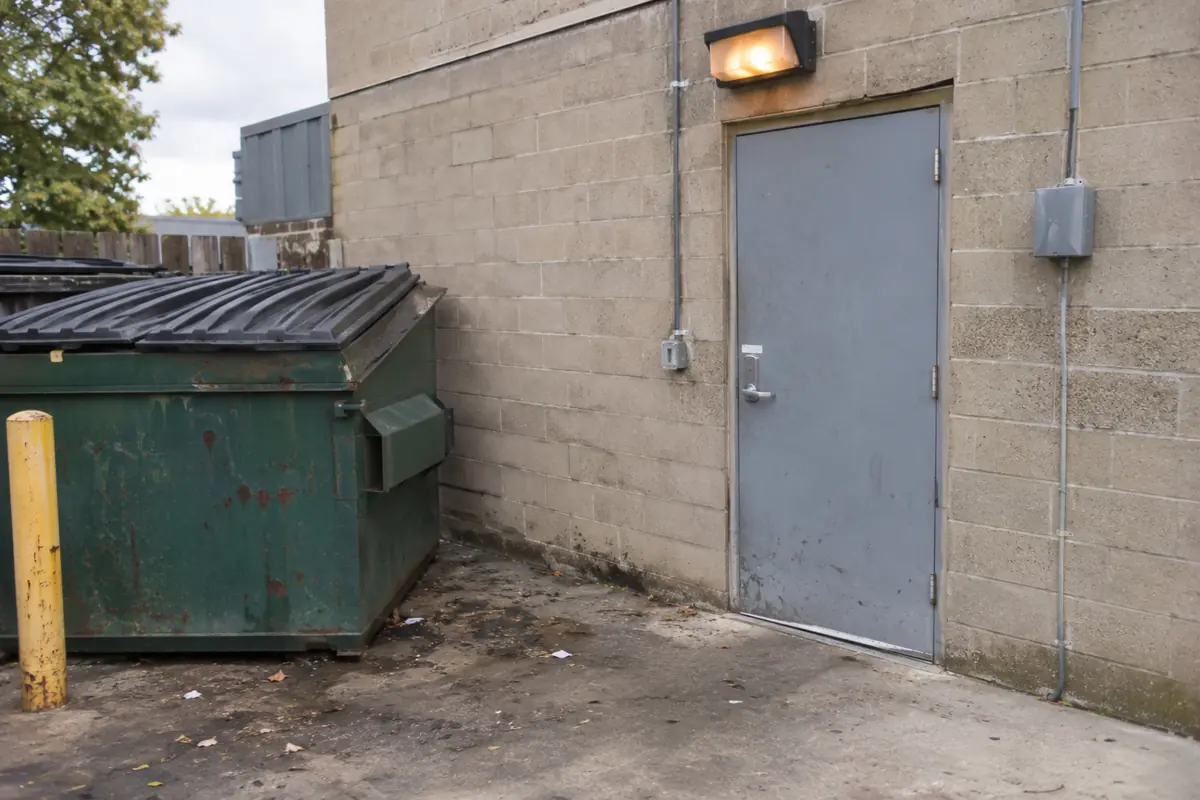
A food business answers to an inspection score posted by the front door, and a warehouse answers to auditors. The page on restaurants, warehouses and other businesses explains what a commercial program includes.
Greensboro Neighborhoods and Nearby Towns

The rodent you are dealing with depends a lot on where you live. A 1920s bungalow near downtown, a 1960s split-level under big trees in the southeast and a new house backing onto the watershed woods up by Lake Jeanette each have different weak spots. The Greensboro neighborhood by neighborhood page breaks the city into seven areas and explains what tends to go wrong in each.
Calls also come from the towns around the city, each with its own story:
- High Point: furniture showrooms, historic mill neighborhoods and yards along City Lake.
- Kernersville: a freight town on I-40 with an old downtown at its center.
- Summerfield: country lots where field mice and deer mice head for garages each fall.
- Oak Ridge: newer subdivisions on former farmland along NC 68.
- Jamestown: Quaker history, a mill village and lakeside parkland between Greensboro and High Point.
What a Good Inspection Covers in a Greensboro House
The inspection decides everything that follows, so it helps to know what a thorough one looks like. On a typical Greensboro property, expect the provider to spend more time outside than you might think.
- The roofline. Gutters, soffits, fascia boards, gable vents and roof returns, plus any branch or utility line touching the house.
- The foundation. Crawl space vents and the access door, cracks in brick or block, gaps where pipes, AC lines and dryer vents pass through.
- The garage. The bottom seal on the door, the corners where the door meets the frame, and anything stored along the walls.
- The crawl space or basement. Vapor barrier, insulation, ductwork and the sill plate where the house sits on the foundation.
- The attic. Insulation trails, droppings near the hatch and the light that leaks in at vents and eaves.
- The rooms you flagged. Under sinks, behind the stove and refrigerator, inside lower cabinets and along baseboards.
A walk-around that takes ten minutes and ends with a bag of bait is not an inspection. The goal is a written or photographed list of entry points, because those are what decide whether the problem comes back.
Questions Worth Asking on the Call
Providers work differently, and a few questions sort that out fast. None of these are trick questions; good providers answer them easily.
- Which rodent do you think this is, from what I’ve described, and what will you check to confirm it?
- Will you trap inside the house, and where will any bait go?
- Which entry points do you seal, with what material, and when in the process?
- How many follow-up visits are included, and what happens if activity continues?
- Do you remove droppings and nesting material, or is cleanup separate?
Write the answers down. If two providers quote you, the answers to questions three and four usually explain the difference better than the price does.
Kids, Pets and Rodent Treatment
Families with toddlers, dogs or cats worry about poison, and that worry is reasonable. Snap traps and enclosed multi-catch traps placed inside cabinets, attics and crawl spaces keep the mechanism away from small hands and paws. Bait, when it is used at all, belongs in locked stations outside the house, anchored so a dog cannot carry one off.
Tell the provider about pets and children before the visit. It changes where traps go and which areas get treated first, and a careful provider will ask anyway.
Rodent Control Greensboro Questions, Answered
Is it worth hiring a rodent professional instead of setting traps myself?
If you have caught one mouse in a garage and seen nothing since, traps may be enough. Once you have signs in more than one room, noises overhead or droppings that keep coming back, the problem is the way in, not the animals you can see. A provider spends most of the visit finding and closing those openings, which is the part store-bought traps never touch.
When are rats and mice worst in Greensboro?
Indoor activity peaks from October through February. Calls start climbing as nights cool in the fall and spike again after each hard freeze. The post on why mice show up each October goes through that calendar week by week, and the Greensboro rodent blog covers other seasonal and local topics.
How do I know whether it’s rats or mice?
Size of the droppings is the quickest clue. Mouse droppings are about the size of a grain of rice; rat droppings are closer to a raisin or a small bean. Rats also leave greasy rub marks and dig burrows outside, while mice rarely do either.
Will a provider use poison inside my house?
Ask, because methods vary. Many providers trap indoors and keep any bait outside in locked stations, partly because a poisoned rodent often dies inside a wall and creates a second problem: the smell.
Do calls cover my part of Greensboro?
The goal is to connect callers across Greensboro and the five nearby towns listed above. When you call, the provider confirms whether they cover your ZIP code.
Does North Carolina have a rat problem?
Greensboro appeared on a national list of the most rat-troubled cities in 2023 and 2024, then dropped off it. Those rankings track pest-company service calls, not rat counts, so they move with demand as much as with rats. The rats that actually come indoors here are the Norway rat and, more and more, the roof rat; native species such as the hispid cotton rat stay out in fields and woods.
Sources: WFMY News 2 on milder Triad winters; Census Reporter, Greensboro city profile (ACS 2024); NC State Extension on house mice and other rodents.
Have rats or mice in your Greensboro home or business? Talk with a local provider.