
Landlord Rodent Control in Greensboro, NC
About half of Greensboro’s occupied homes are rented, and nearly one resident in five moved within the past year. Every move-in is a chance for a rodent dispute, and the city’s housing code says who has to deal with it. This page covers landlord rodent control Greensboro owners and property managers handle: what the code expects, why one-unit treatments fail, and what a building-wide program looks like.
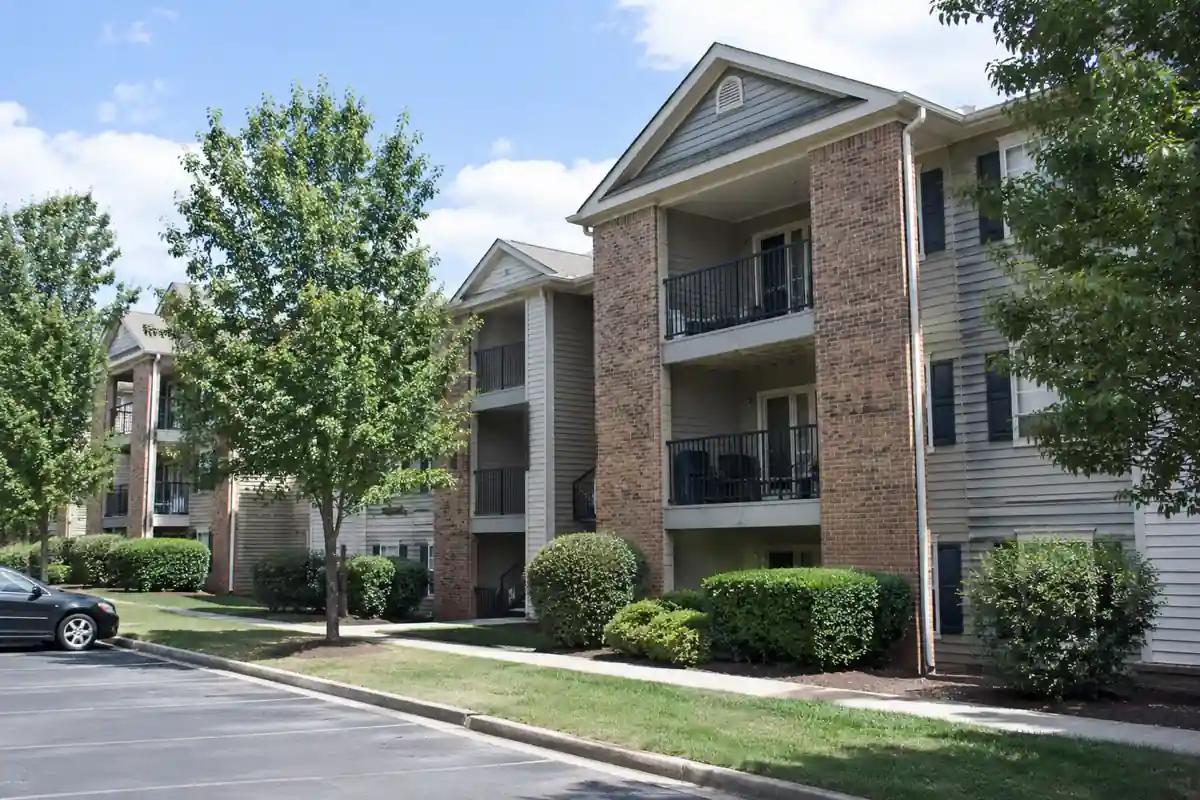
What Greensboro’s Housing Code Asks of Rental Owners
Greensboro rewrote parts of its Minimum Housing Code in 2015, and the rodent rules are clearer than many owners realize. In summary, based on the city’s code and the UNCG Center for Housing and Community Studies review of those changes:
- A rental unit has to be clear of rodents and insects when a new tenant moves in.
- In multi-family buildings, the owner is responsible for rodent control.
- In a single-family rental house, the occupant is generally responsible once they’ve moved in, unless the problem comes from a defect the owner has to repair, such as an open foundation or broken screens.
- Owners must keep the structure in repair, which includes the openings rodents use.
State law points the same way: North Carolina’s landlord statute, G.S. 42-42, requires landlords to keep rentals fit and habitable and to follow local housing codes.
This is a summary, not legal advice. Codes change, and the specifics of a lease matter, so confirm details with the City of Greensboro or an attorney.
Why Treating One Apartment Rarely Works
Mice in apartment 4B are almost never only in 4B. Garden-style apartments and older converted houses share walls, ceilings, plumbing chases and attics, and those are exactly the spaces mice travel through. Treat one unit and the mice shift next door, then come back when the traps are gone.
Building-wide treatment is cheaper in the long run because it ends the cycle. It also protects you when a tenant complains to the city: an inspector will want to see that the cause, not just the symptom, was addressed.
Turnover Is the Time to Fix It
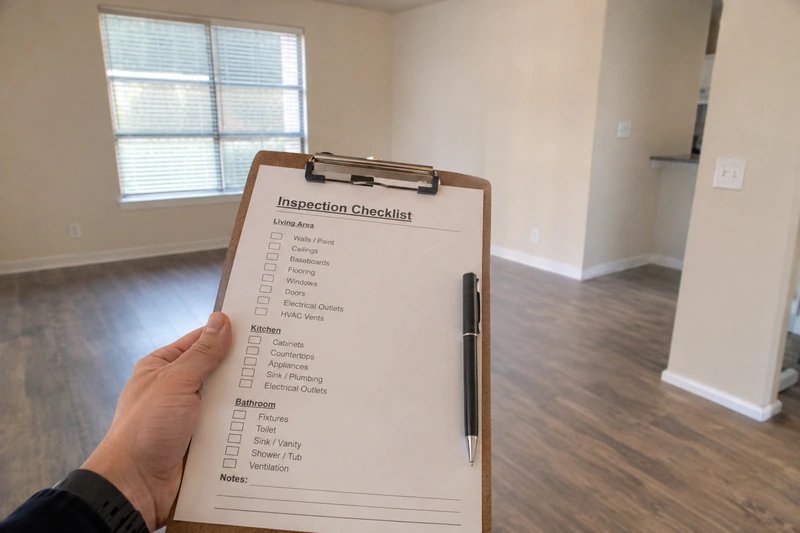
Greensboro’s rental market has two big turnover seasons near campus: May, when UNCG and NC A&T students move out, and August, when they move back in. Empty units are the easiest time to check under sinks and behind appliances, seal pipe gaps and replace door sweeps, without working around a tenant’s furniture.
A short move-in checklist helps:
- Look for droppings under the kitchen sink, behind the stove and in the furnace closet.
- Check that exterior doors have intact sweeps and that garage doors seal at the bottom.
- Confirm foundation vents and crawl space doors are screened and closed.
- Photograph the condition and keep the photos with the lease.
A dated record that the unit was clear at move-in is the strongest answer if a dispute starts months later.
Grounds, Dumpsters and Empty Units
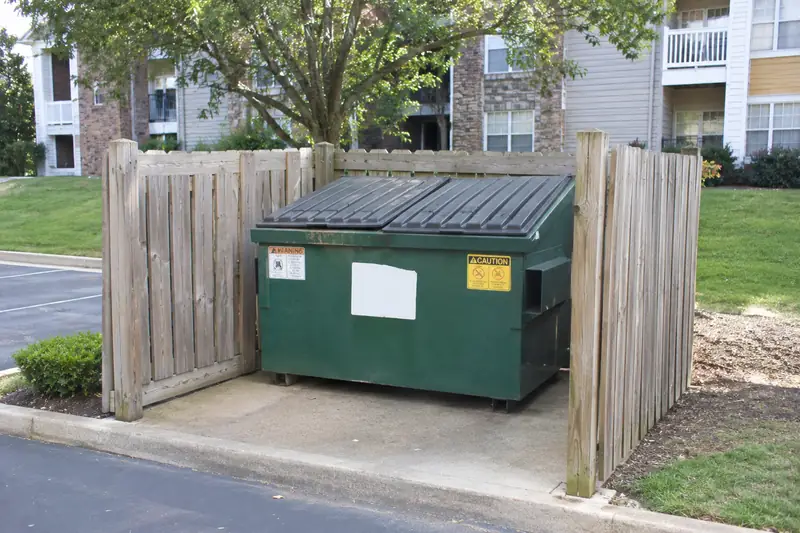
In June 2024, residents of Glenside Woods Apartments in Greensboro told WGHP about rats, holes behind refrigerators and grounds that had gone untended; crews later cleared tall grass and removed a vehicle that had filled with rodents. The details of that case aside, it shows how rodent problems at a complex usually begin outside the units.
- Dumpster enclosures with lids left open or overflowing bags on the ground.
- Tall grass and overgrown edges along the property line.
- Abandoned cars and stored items that become nesting sites.
- Vacant units where no one notices activity until it spreads.
What a Rental Rodent Program Includes
A good program for a rental property looks different from a single-house job:
- An inspection of every building’s exterior, crawl spaces and common areas.
- Locked exterior bait stations or traps along the perimeter and near dumpsters, if used.
- Unit-by-unit sealing of plumbing gaps, door sweeps and appliance penetrations.
- Scheduled visits on a calendar, not only when a tenant complains.
- Written service records you can show a code inspector, an insurer or a buyer.
For apartment complexes with commercial kitchens or on-site businesses, the restaurants, warehouses and other businesses page covers record-keeping in more detail. For the tenant’s side of the same problem, send renters to what tenants can do.
Landlord Rodent Control Greensboro Questions
Are landlords responsible for pest control in North Carolina?
State law requires landlords to keep rentals fit to live in and to follow local codes. In Greensboro, the housing code makes owners responsible for rodents in multi-family buildings and for having units clear at move-in. Single-family rentals work differently, so check the code and the lease.
Who pays when only one unit has mice?
In a multi-family building the owner usually does, because the mice almost certainly travel between units. A lease can’t override the city code.
Can a property manager schedule building-wide service?
Yes, and it usually works better than reacting to complaints. Give tenants notice, plan around move-outs, and keep the records.
What if a tenant’s housekeeping is causing the problem?
Document it with dated photos and written notices. Sanitation helps, but rodents still need an opening to get in, so the building’s entry points are part of the fix either way.
Sources: UNCG Center for Housing and Community Studies; NC General Statutes Chapter 42, Article 5; Census Reporter, Greensboro housing data. This page is general information, not legal advice.