
Commercial Rodent Control in Greensboro, NC
In Guilford County, a restaurant’s latest inspection score hangs by the front door and sits in a public online database. Droppings found in a dry-storage room can cost points that every customer sees. Commercial rodent control Greensboro businesses rely on is less about a single visit and more about a steady program with records an inspector or auditor will accept.
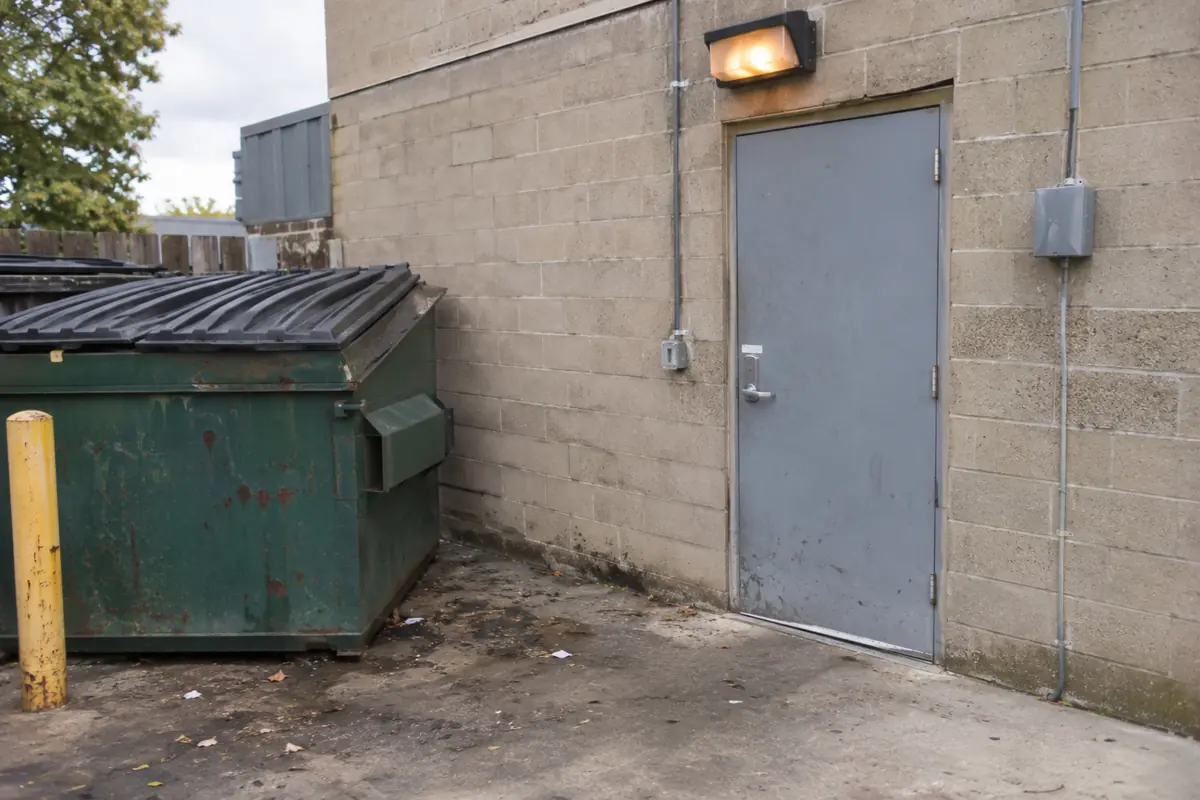
Restaurants: the Grade by the Door
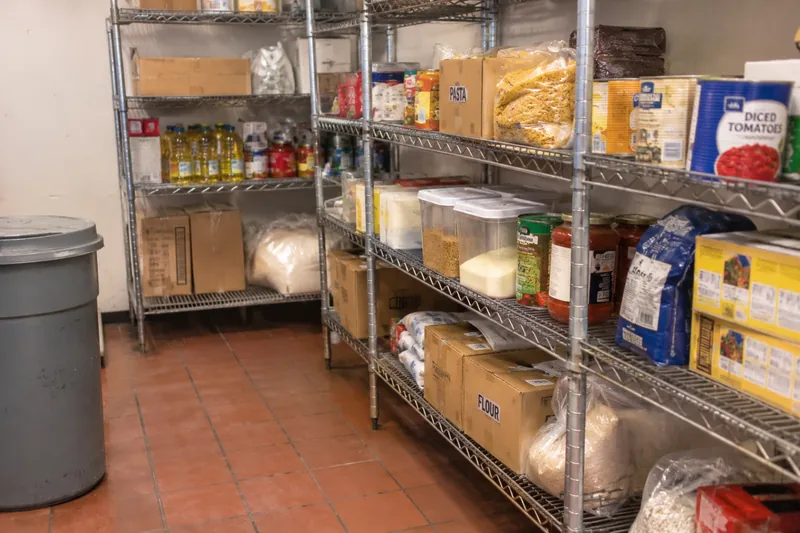
North Carolina grades food establishments on a 100-point scale: 90 and above is an A, 80 to 89.5 a B, 70 to 79.5 a C, and below 70 the permit can be pulled. Rodent evidence is one of the faster ways to lose points, and it can trigger a follow-up visit.
Where Greensboro restaurants usually get into trouble:
- Back doors propped open during deliveries or summer prep.
- Dumpster pads and grease bins with lids up or bags on the ground.
- Shared walls downtown, where an older building’s cellar or a neighbor’s storage room connects to yours.
- Dry storage with cases stacked on the floor or against walls, which hides droppings and blocks inspection.
A provider working with restaurants sets up exterior stations, interior traps placed away from food prep, door sweeps and seals, and a written log that shows what was found and done on each visit.
Warehouses Along I-40 and Near the Airport
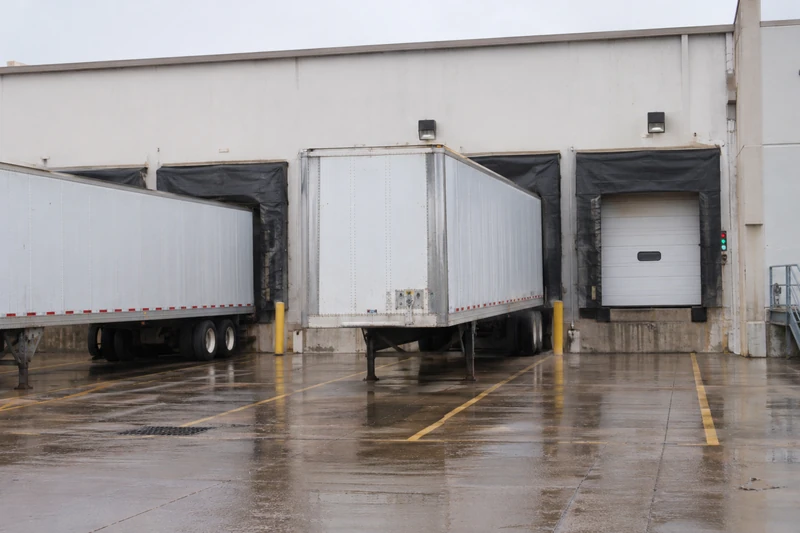
FedEx opened its Mid-Atlantic air hub at Piedmont Triad International Airport in 2009, and warehouses and distribution centers line the I-40 corridor west of the city. Those buildings share the same weak spots: dock doors that don’t seal against trailers, pallets that sit long enough to become nesting sites, and big doors left open on mild days.
Rodent work in a warehouse leans on:
- Dock door seals and brush strips at the bottom and sides of every door.
- A perimeter of monitored stations around the building, checked and logged.
- Interior traps along walls and racking, mapped so every device can be found and checked.
- Trend reports that show auditors where activity is rising or falling over time.
Larger facilities also need sealing around utility penetrations and roof-level openings, which the page on dock doors and utility gaps covers in more detail.
Schools and Childcare: IPM Is State Law
North Carolina’s School Children’s Health Act requires public schools to use Integrated Pest Management, an approach that puts inspection, sanitation, sealing and trapping ahead of pesticides. The requirement has been in place since October 1, 2011. Schools must also give notice of pesticide use to parents and staff who ask for it, generally at least 72 hours ahead.
For schools and daycares, that means trapping and exclusion first, any bait kept in locked stations outside, work scheduled when children are out, and paperwork kept for the IPM coordinator.
Hotels, Healthcare and Senior Living
North Carolina grades hotels and other lodging on the same kind of scale used for restaurants, so a rodent complaint from a guest can become an inspection issue as well as a bad review. Healthcare offices and senior living communities need discreet visits, low-pesticide methods and a provider used to working around residents and patients.
Offices, Stores, Churches and Venues
Mice in an office usually trace back to break rooms, desk snacks and storage rooms nobody visits. Retail stores deal with stockrooms and receiving doors. Churches and event venues have kitchens used heavily one day and empty the next, plus basements and storage areas full of seasonal decorations. Each needs the same basics: sealed entry points, closed food storage and regular checks.
What a Commercial Rodent Program Includes
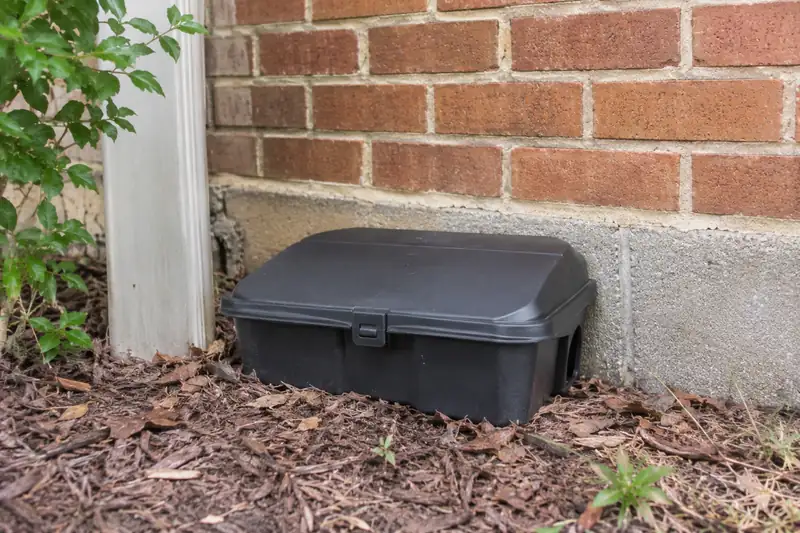
- An inspection of the building inside and out, including roof access points, dock doors and utility entries.
- Exterior stations placed around the perimeter, locked, anchored and numbered.
- Interior traps in back-of-house areas, mapped so each one can be checked.
- Sealing of door gaps, pipe penetrations and wall openings.
- Scheduled visits, often monthly, with after-hours visits when the business needs them.
- Written service logs and trend reports you can hand to a health inspector or auditor.
Apartment communities are a different kind of commercial account; see apartment communities for the rules that apply to rentals.
Commercial Rodent Control Greensboro Questions
What do professionals use for rodent control in a business?
A mix: inspection, snap and multi-catch traps inside, locked stations outside, sealing materials, and detailed records. Pesticides are kept to a minimum and away from food areas.
Is a commercial rodent program worth it?
Compare the cost against a lowered grade card, a failed audit, discarded inventory or a closed day. For most food businesses the records alone justify it.
How often should a restaurant be serviced?
That depends on the building and the activity found. Many restaurants use monthly service with extra visits after any sighting.
Can service happen after hours?
Many providers schedule visits before opening or after closing so customers and staff aren’t disrupted. Ask when you call.
Sources: Guilford County Environmental Health; NC State School IPM: the School Children’s Health Act.