
Rodents in Your Greensboro Rental: What Tenants Can Do
If you have told your landlord about the mice twice and nothing has happened, Greensboro has a process for that, and it starts with one phone call to the city. This post walks through the steps for dealing with mice in a Greensboro rental, from the first photo to a code inspection, in the order that tends to work.
This is general information, not legal advice. City procedures change, so confirm the details with the City of Greensboro.
Who Handles It Depends on Where You Live
Greensboro’s housing code splits the responsibility by building type. In apartments and other multi-family buildings, the owner is generally responsible for rodent control. In a single-family rental house, the tenant is usually responsible after move-in, unless the problem comes from something the owner has to repair, such as missing vent screens or holes in the foundation. Every rental should be clear of rodents when a new tenant moves in. The page on what landlords are expected to do explains the code in more detail.
North Carolina law also requires landlords to keep rentals fit and habitable and to comply with local housing codes (G.S. 42-42).
Write It Down First
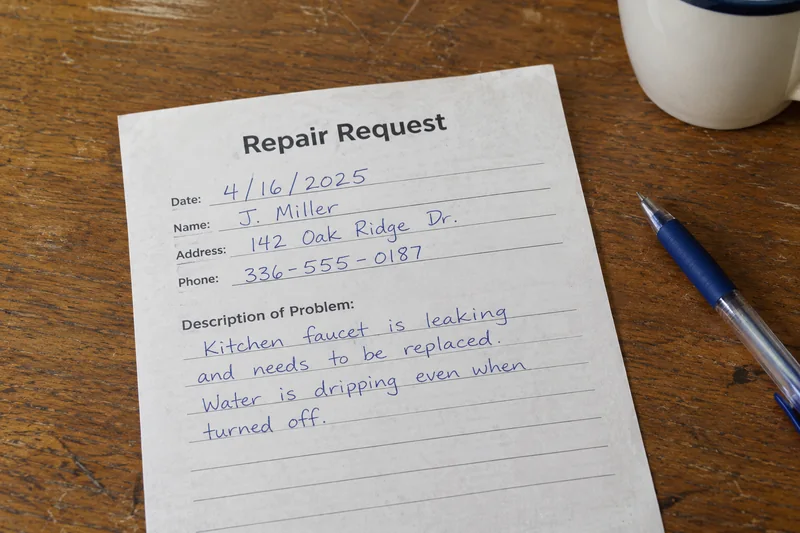
A clear paper trail makes everything after this step easier.
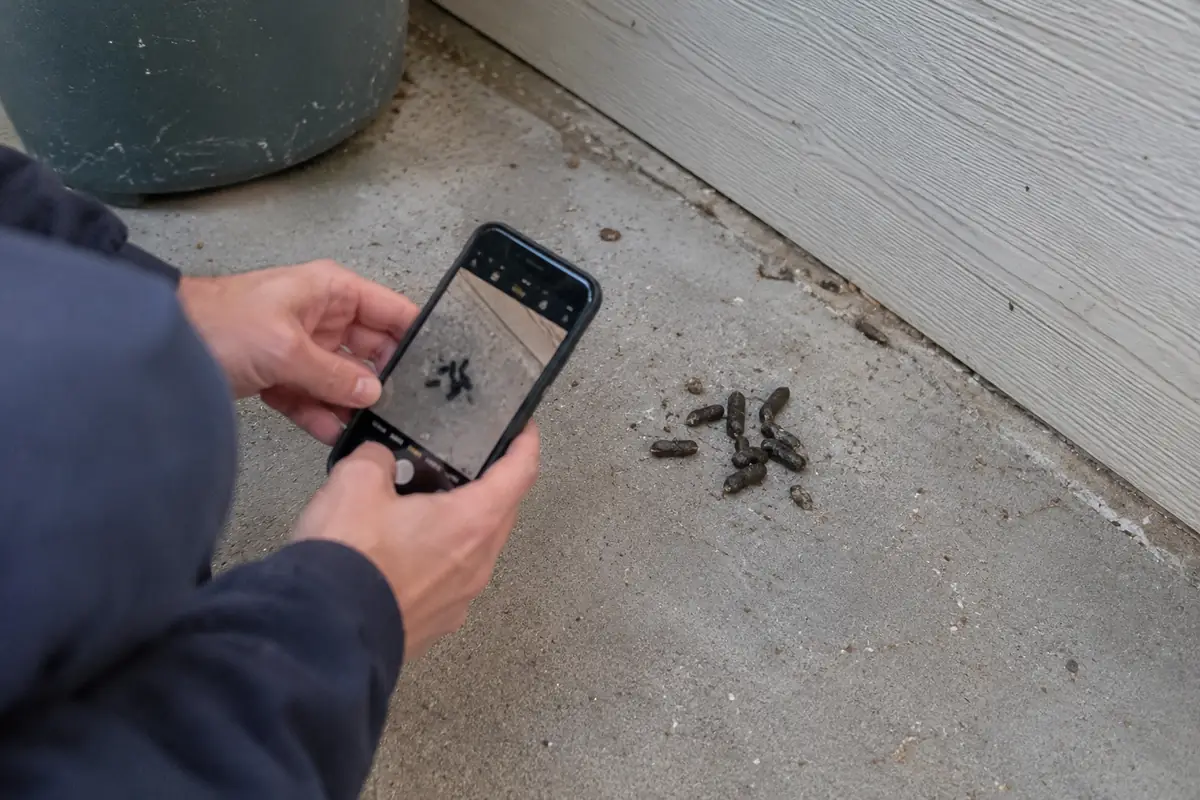
- Photograph the evidence with the date visible: droppings, gnaw marks, chewed food packages, holes behind appliances.
- Send a written repair request to the landlord or property manager. Email works, or a dated letter you keep a copy of. Describe what you found, where and since when.
- Keep copies of every message and reply, and note any visits or phone calls.
- Give a reasonable time for a response. If a provider comes out, note the date and what they did.
Keep the tone factual. The aim is a record that shows the problem, the request and the response, or the lack of one.
When Nothing Happens: Calling the City
If the landlord doesn’t respond or the problem continues, call the City of Greensboro’s Contact Center at 336-373-CITY (2489) and ask to report a minimum housing code concern. The process generally runs like this:
- An inspector visits the unit and checks it against the Minimum Housing Code.
- If violations are found, the owner receives an order to repair, typically with about 30 days to fix them.
- If the order is ignored, the city can issue civil penalties. When the 2015 code changes took effect, penalties were reported as $200 plus $10 a day; check current amounts with the city.
- Disputes and appeals can go before the city’s Minimum Housing Commission.
Your photos and written requests are what the inspector will want to see, which is why step one matters.
What You Can Do in the Meantime
None of this replaces repairs, but it limits what the mice can get:
- Move food, including pet food, into sealed glass, metal or heavy plastic containers.
- Take trash out often and keep the can lidded.
- Wipe up crumbs and grease behind the stove and toaster.
- Don’t patch holes yourself without telling the landlord in writing. You want the openings on record, and some repairs are the owner’s responsibility.
- Clean droppings safely: gloves on, spray with disinfectant, wait five minutes, wipe with paper towels. Never sweep or vacuum them dry.
For how mice spread between units and what a real fix involves, see mouse control in Greensboro.
If You’re the Owner Reading This
If a tenant has sent you this post, the fastest way to close the issue is a building-wide inspection and sealing, with records you can show an inspector. The landlord rodent control page explains what that involves. More on the city as a whole is on the Greensboro overview.
Mice in a Greensboro Rental: Quick Answers
Can I withhold rent because of mice?
North Carolina law generally doesn’t allow tenants to withhold rent on their own. Use the written request and city inspection process, and get legal advice before taking any step with your rent.
How long does the landlord have to fix it?
After a city inspection finds a violation, the owner usually gets an order to repair with a deadline, often about 30 days.
Who pays for mouse control in an apartment?
In multi-family buildings, generally the owner, because mice travel between units through shared walls.
Sources: City of Greensboro; UNCG Center for Housing and Community Studies; NC General Statutes Chapter 42, Article 5. General information only, not legal advice.